Category

Personal Electric Vehicles

Plug-in electric vehicle related news, resources, and build guides for PEV building DIYers.

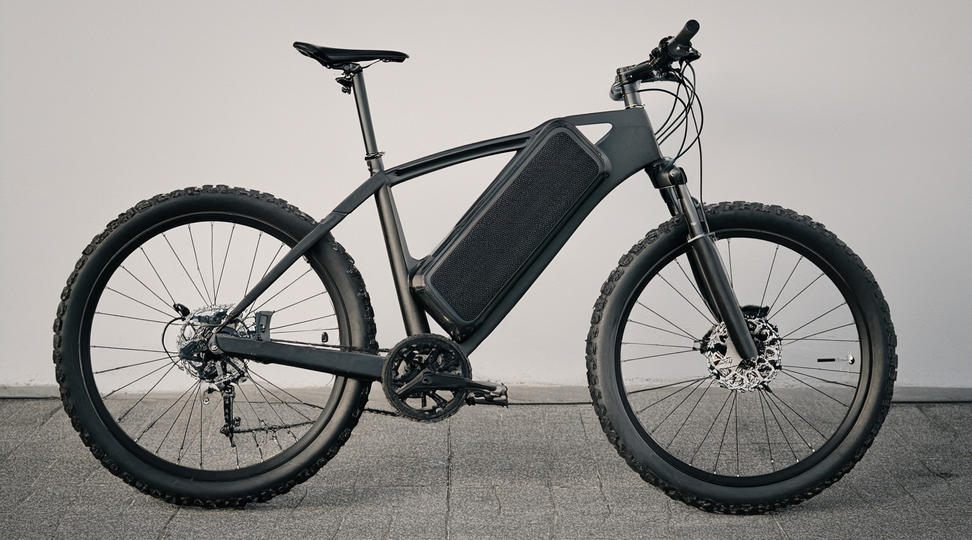
PEVs are becoming more and more commonplace. That shift is tied closely to the falling cost of lithium ion battery cells and the growing practicality of electric drivetrains at scale.

More electric vehicles are showing up on the road and people are starting to see the benefits of going fully electric. Electric vehicles usually cost significantly less per mile to operate than their gasoline counterparts.

Articles in this category are about high-energy battery packs, high-density battery packs, battery cooling techniques, and motor controllers.

This category page is meant to collect the older article context the Next.js frontend used to carry so readers landing from search have a quick explanation of what belongs here before they jump into a post.

If you just want the newest material in this topic, start with the featured article below and then work down through the rest of the posts.

Performance Loss As A Result Of Series Connections

Personal Electric Vehicles

Performance Loss As A Result Of Series Connections

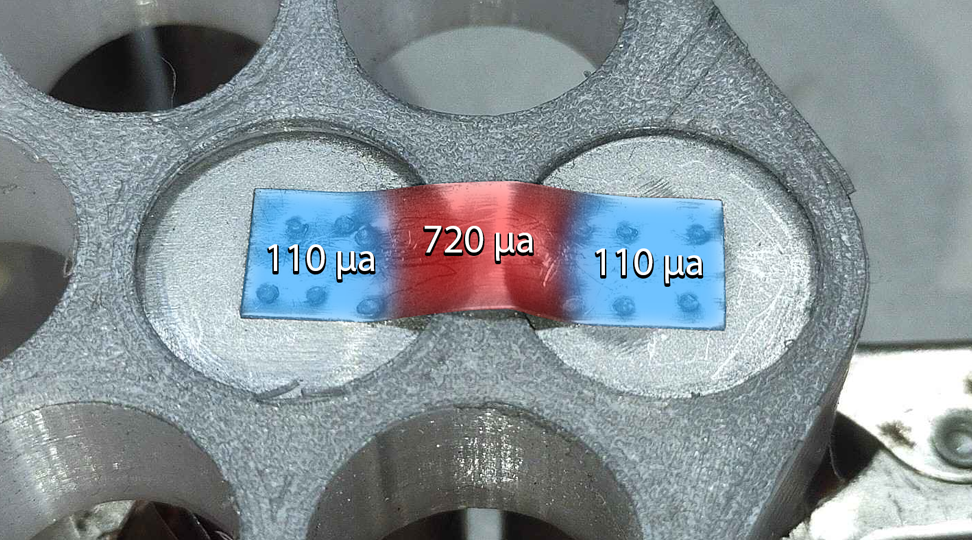
What specific things about a copper battery are better than a nickel battery? Will it perform better under load? Will I feel additional power and acceleration as a result of using copper? Will my battery have a higher range if I build it with copper? Will my copper battery be able to endure more charge and discharge cycles than my nickel battery?

72 Volt Battery

Personal Electric Vehicles

72 Volt Battery

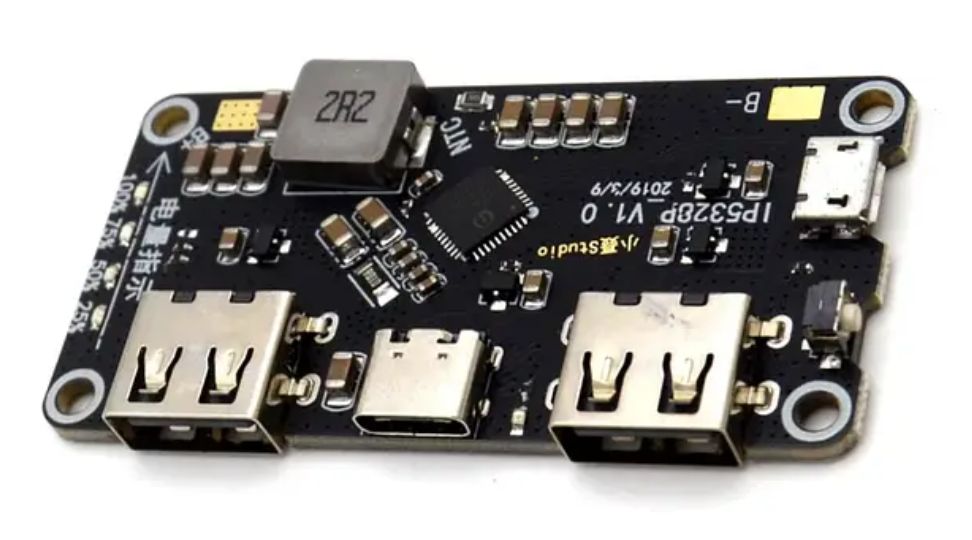
Is a 72V battery always better than a lower voltage battery? This article investigates this situation by comparing the power deliver, efficiency, and other metrics between a 72V battery and a 36V battery.

build-fast-charge-usb-battery

Personal Electric Vehicles

How To Build A Fast Charge USB Battery Bank

Discover how to create a fast-charging USB battery bank using the IP5328P module. Follow our simple guide to ensure your devices stay powered on the go!

Safest-Way-Charge-Ebike-Battery

Personal Electric Vehicles

What is the safest way to charge ebike battery

For safe and effective e-bike battery charging, use a charger that matches the battery’s specifications, employ a constant current power supply, and include a Battery Management System (BMS) to prevent risks and extend battery life.

Extending-Lifespan-Lithium-Battery

Personal Electric Vehicles

How to Extend the Life of a Lithium Battery

Extend the life of your lithium-ion battery by avoiding full charges and deep discharges. Use the recommended charger and keep the battery in a cool environment for optimal performance.

reasons-batteries-self-discharge

Personal Electric Vehicles

Why do batteries self discharge

Lithium-ion batteries self-discharge due to internal chemical reactions, electrode impurities, and temperature. This gradual loss of charge happens even when not in use. Understanding these factors can help you store and maintain your batteries for longer life and better performance.

safe-to-store-lithium-batteries-at-home

Personal Electric Vehicles

Is it safe to store lithium-ion batteries in the house

Storing lithium-ion batteries at home is safe if you follow some basic guidelines. Keep them away from heat sources, avoid physical damage, and ensure they are out of reach of children and pets. By taking these precautions, you can ensure a safe environment and extend the life of your batteries.

Amps-needed-to-charge-eBike-battery

Personal Electric Vehicles

How many amps does it take to charge an ebike battery

To charge an e-bike battery, divide its capacity (Ah) by the time available (hours) using the formula: Current (A) = Capacity (Ah) / Time (hours). Ensure the charging current is within the battery's and Battery Management System's (BMS) safety limits.

Need all topics?

If this category is too narrow for what you are researching, go back to the main blog index and browse everything in one place.

View all posts

Looking for tools too?

Most article categories pair naturally with one or more planning tools. If you are done reading and ready to work through numbers, head into the tool suite next.

Open the tools