Articles and Resources

Check out our guides and thoughts on DIY battery building. We will update this page as often as we can with new content, guides, and news.

Nominal Voltage

So Is It 3.6V or 3.7V? The Real Problem With Nominal Voltage

Nominal voltage is a marketing convenience, not a physical reality. Discover why relying on this "average" number can ruin your lithium battery build, why "12V" batteries don't exist, and which metrics actually matter for compatibility.

Posted: December 5, 2025
Performance Loss As A Result Of Series Connections

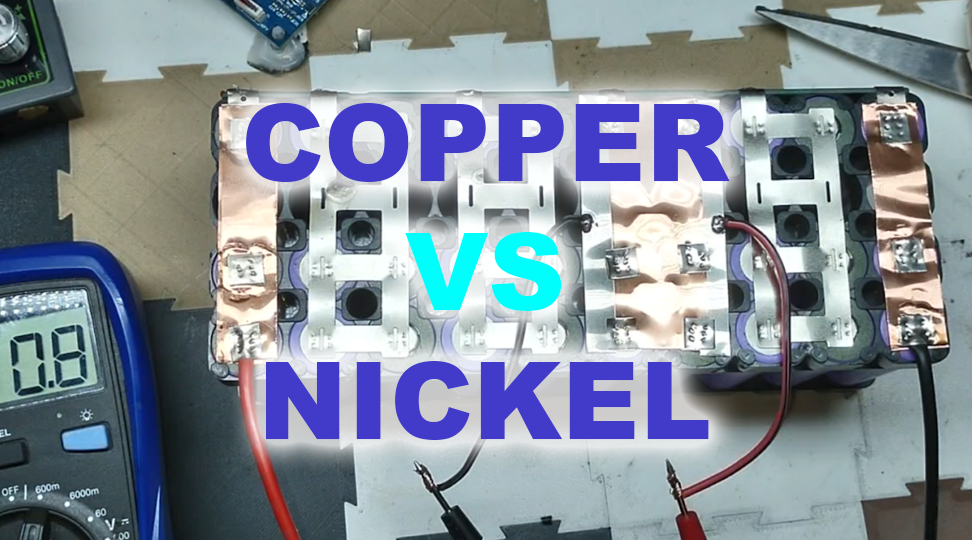
Performance Loss As A Result Of Series Connections

What specific things about a copper battery are better than a nickel battery? Will it perform better under load? Will I feel additional power and acceleration as a result of using copper? Will my battery have a higher range if I build it with copper? Will my copper battery be able to endure more charge and discharge cycles than my nickel battery?

Posted: October 5, 2025 · Updated: April 23, 2026
LiFEPO4 VS lithium ion

LFP vs. NMC: The Real “Lithium-ion vs. Lithium-ion” Battery Comparison

Many articles frame “LFP vs. lithium-ion” incorrectly—LFP is lithium-ion. The real matchup is LFP vs. NMC. Here’s how they compare on energy density, cycle life, safety, cost, cold-weather performance, and charging speed.

Posted: August 11, 2025
lithium ion battery fires

Lithium-Ion Battery Fires: Causes, Prevention, and What to Do if One Happens

Lithium-ion batteries power our devices, bikes, and cars—but when they fail, the results can be serious. Here’s how to minimize risk, spot warning signs, and respond safely in an emergency.

Posted: August 11, 2025
what is a c-rate

Lithium-Ion Battery C-Rate Explained: Charge & Discharge Limits, Heat, and Safety

C-rate tells you how hard you can charge or discharge a lithium-ion battery relative to its size—but it hides key factors like resistance and cooling. We explain C-rate basics, real-world limits, and how to avoid overheating your cells.

Posted: August 11, 2025
lithium ion FAQ

Lithium-Ion Batteries: Uses, Safety, and Fire Prevention Guide

Lithium-ion batteries power almost every portable device today—from phones to e-bikes. They’re safe when handled correctly, but abuse or defects can cause fires. Learn about their uses, safety tips, differences from lithium metal, and how to avoid dangerous mistakes.

Posted: August 11, 2025 · Updated: August 12, 2025
heat's effect on battery resistance

Why Lithium-Ion Batteries Have a Negative Temperature Coefficient

Most materials have higher resistance when hot, but lithium-ion batteries are different. Their internal resistance actually drops as temperature rises, improving performance — but also posing risks if limits are exceeded.

Posted: August 11, 2025
battery charging process

How Lithium-Ion Battery Charging Really Works: Inside the Cell, Charging Phases, and SEI Formation

We break down how lithium-ion battery charging works—from cathode/anode reactions to constant current and constant voltage stages, SEI layer formation, and best charging practices for long life and safety

Posted: August 11, 2025
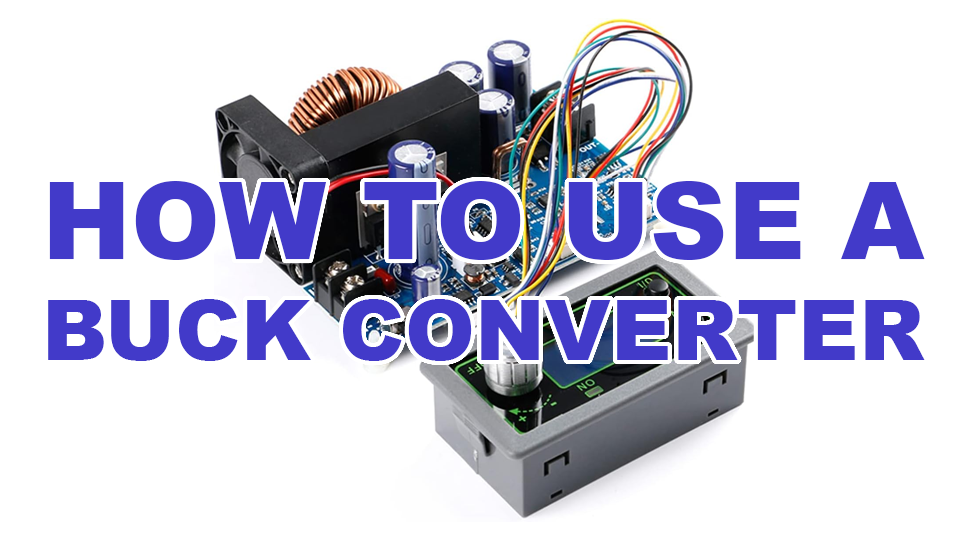
how to use a buck converter

High-Power Buck Converter Test: Charging Batteries, Dummy Loads, and a 650-Watt Stress Run

We push a constant current buck converter to its limits—charging a 7S NMC pack, powering dummy loads, and sustaining over 650 watts. See real data on voltage drop, efficiency, and temperature stability.

Posted: August 11, 2025