
Articles & guides
150 articles from the bench — cells, pack design, welding, BMS and safety. Search first: most questions already have an answer here.
Latest
Newest article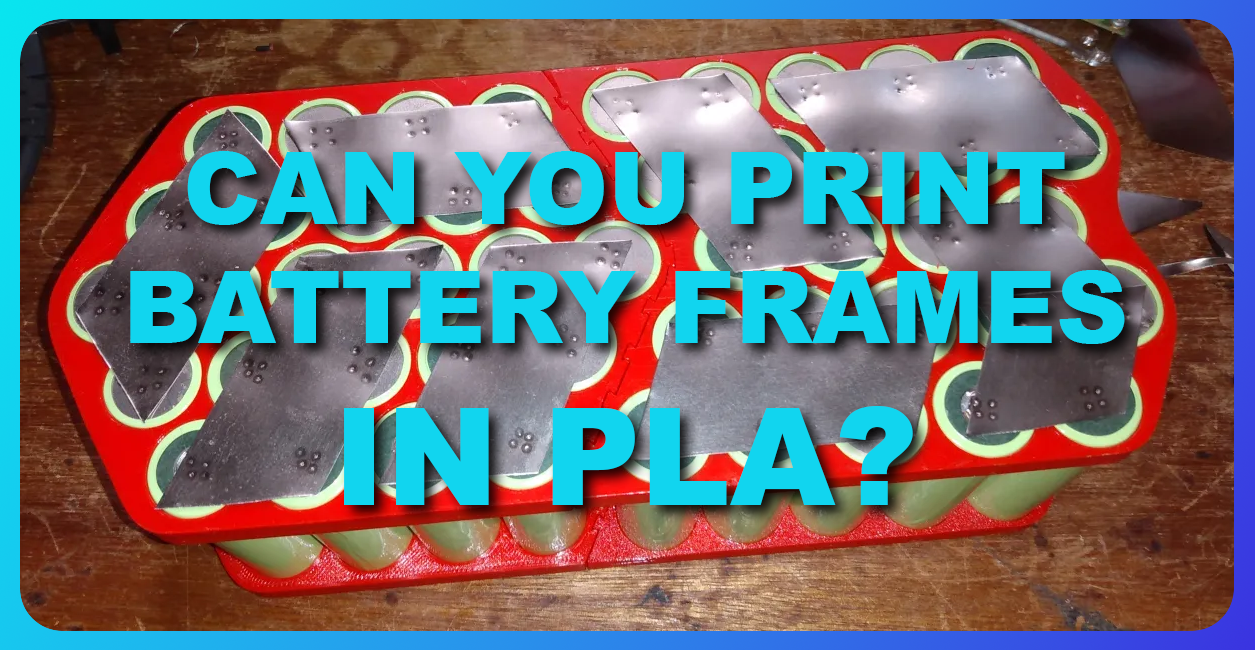
Can You Use PLA for 3D-Printed Battery Frames?
PLA starts to soften around 60°C, but that does not automatically make it unusable for battery frames. In many well-designed packs, the welded cells, enclosure, and overall fitment provide the rigidity, making PLA a workable option even if PETG or higher-temp materials are better choices.
Read the articleAll articles
150 · newest first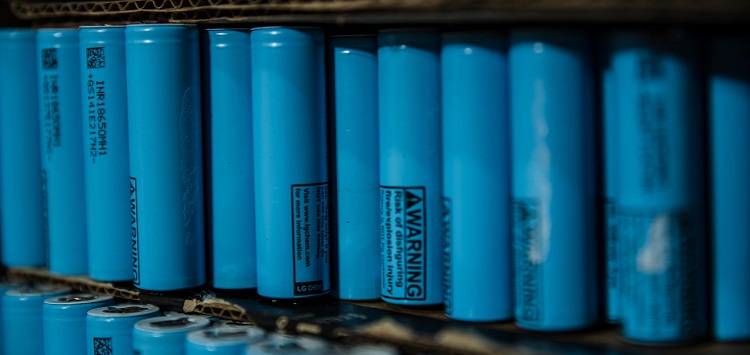
When lithium cells and battery packs sit unused they tend to lose a little bit of life due to degrading but it's very very little. Compared to other chemistries lithium-ion is more shelf stable and okay to leave stored for prolonged periods of time.
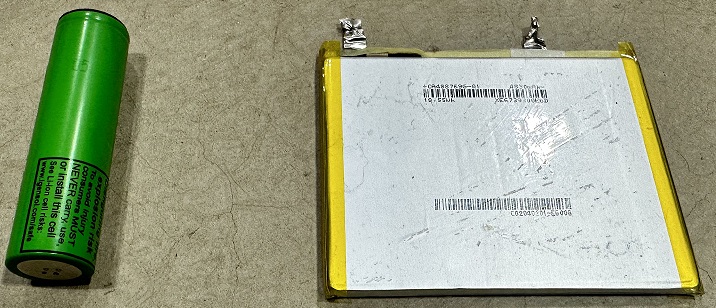
Picking the right cell format for your next build can sometimes be a little overwhelming. This article compares pouch and 18650 cells based on several factors. We hope this helps to pick the best cell format for your battery build.
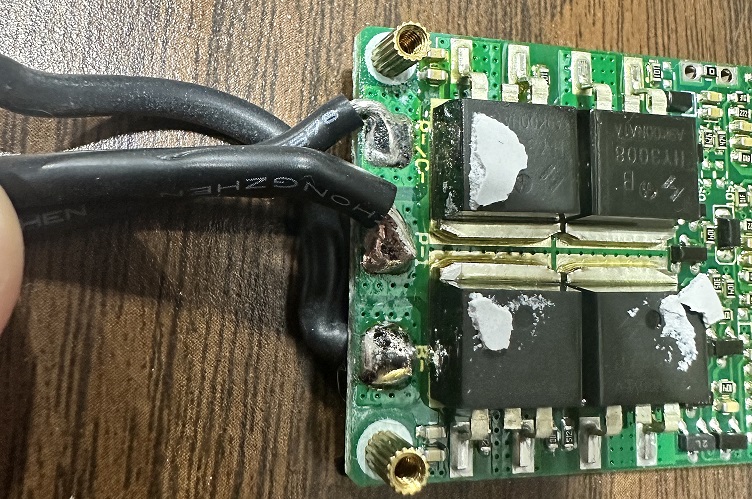
Common Port and Seprate Port BMSs have a few differences one of those being the main connections into and out of the BMS. We will break down the purpose of the P and C connections that you commonly find on a separate port BMS.
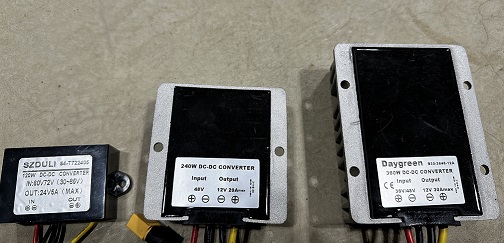
When building a 7s battery it is a common issue to need to reduce 24v down to 12v for various devices. Surprisingly this is very simple to do and can be achieved in 2 ways. It's always better to reduce voltage than to boost voltage due to the losses in boosting.
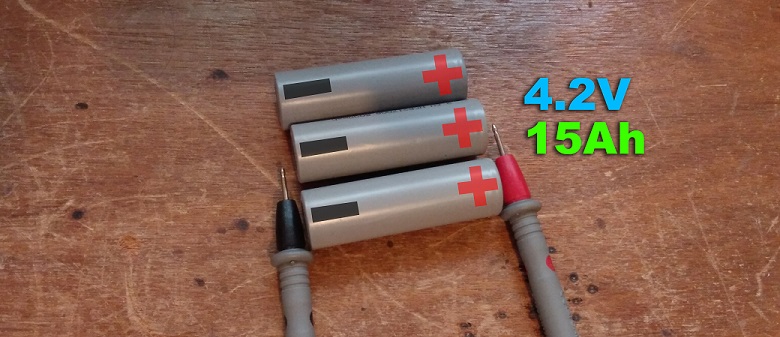
When 18650 cells are put in parallel, their capacities are combined, resulting in a higher overall capacity. There is not much limit to how many you can connect together. However, it's important to use cells with similar capacities and states of charge and proper battery management systems to ensure safety and longevity.

The 21700 is larger and has a higher energy density and the 18650 cell is smaller and more widely available. The 21700 higher energy density gives it a longer run time of the two. The choice you use depends on your build's needs, with the 21700 providing more power and the 18650 is a more compact option.
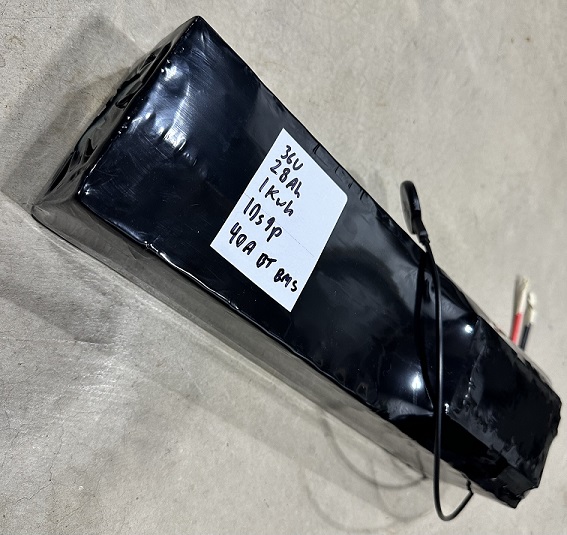
Learning how to do the math to determine pack sizing before you start a build is a crucial skill to have. Sure we have our battery pack planner tool to help assist in doing this math but understanding how it works is helpful. We put together this quick article to help you understand the math behind battery capacity sizing.
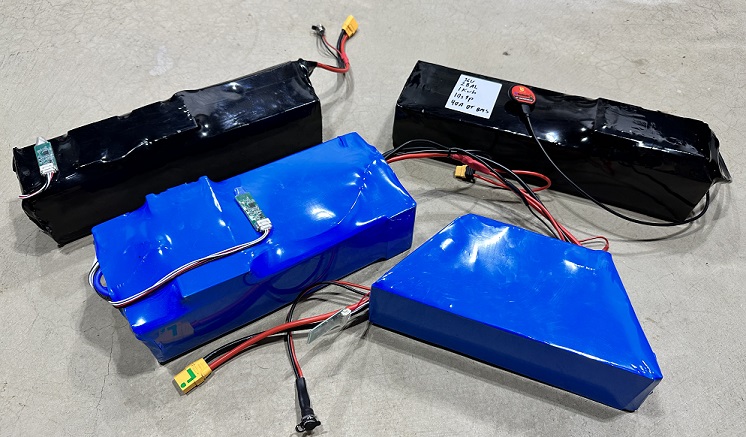
In almost all cases building your own battery pack is a great way to save some money. On top of that you will be learning new skills and some of these skills are becoming more and more in demand. As we to move towards battery-based solutions to a power storage needs, today is the day to learn how to build!
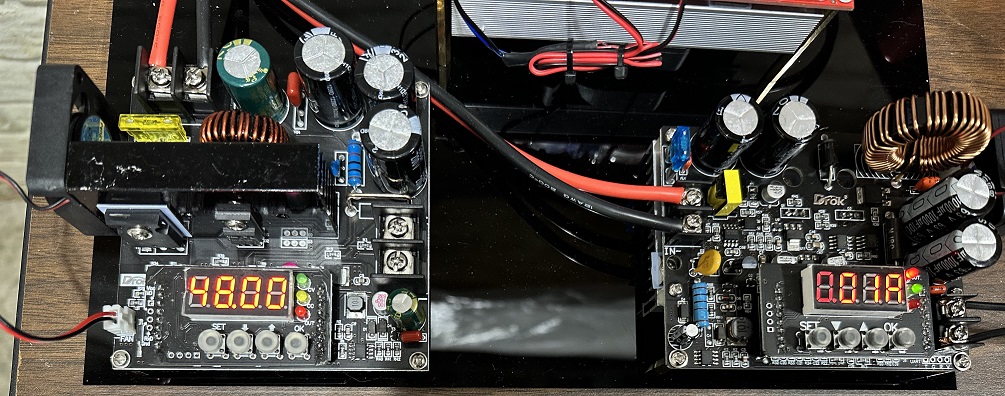
Having a Bench Power Supply to power projects and being able to charge battery packs of all kinds is an excellent piece of kit to have. In this guide we will show you how to build your own DIY power supply and charger. You can always get an off-the-shelf one but they tend to lack features and flexibility.
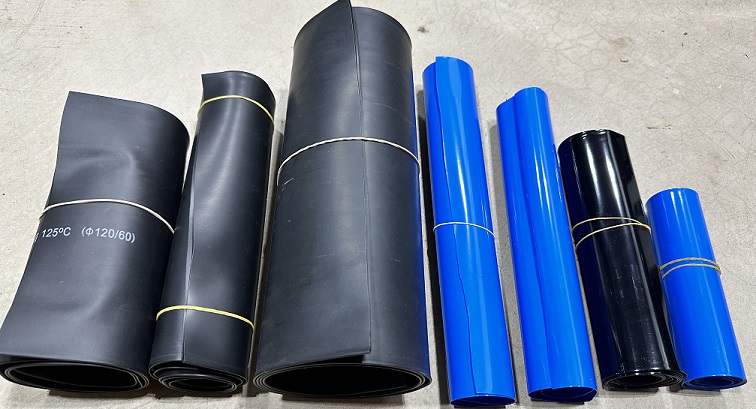
Shrink wrapping your battery is an easy way to provide an extra layer of safety to your battery pack. It also gives that professional look to your DIY battery build. Check out this article where we give you our tips and tricks to get the job done.
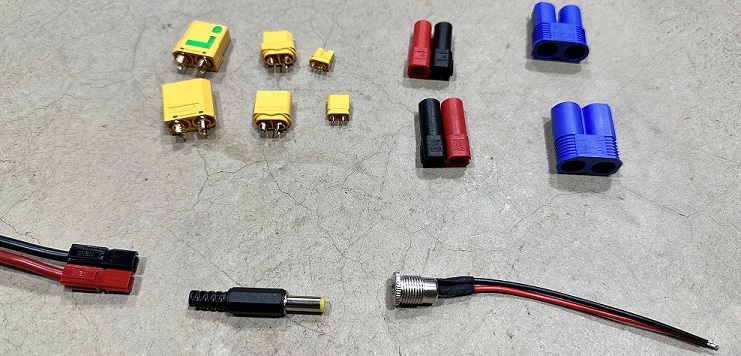
After building your battery pack the next step is to figure out what type of connector you need to attach the pack to your load. Making sure you pick the right size and type is crucial to avoid any safety or heat issues. Undersized connectors and wires are some of the most common reasons for pack failures.
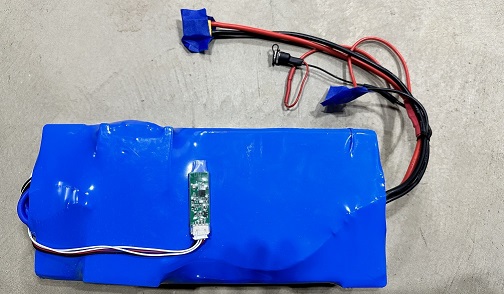
Making sure you are storing batteries of varying chemistries at their optimal storage voltage is a good way to increase longevity and safety. Storing batteries and cells at proper storage voltage mitigates some degradation a cell can experience while being stored.
Monthly-ish. New tools, new cells in the database, guides worth reading.