
Articles & guides
34 articles from the bench — cells, pack design, welding, BMS and safety. Search first: most questions already have an answer here.
All
34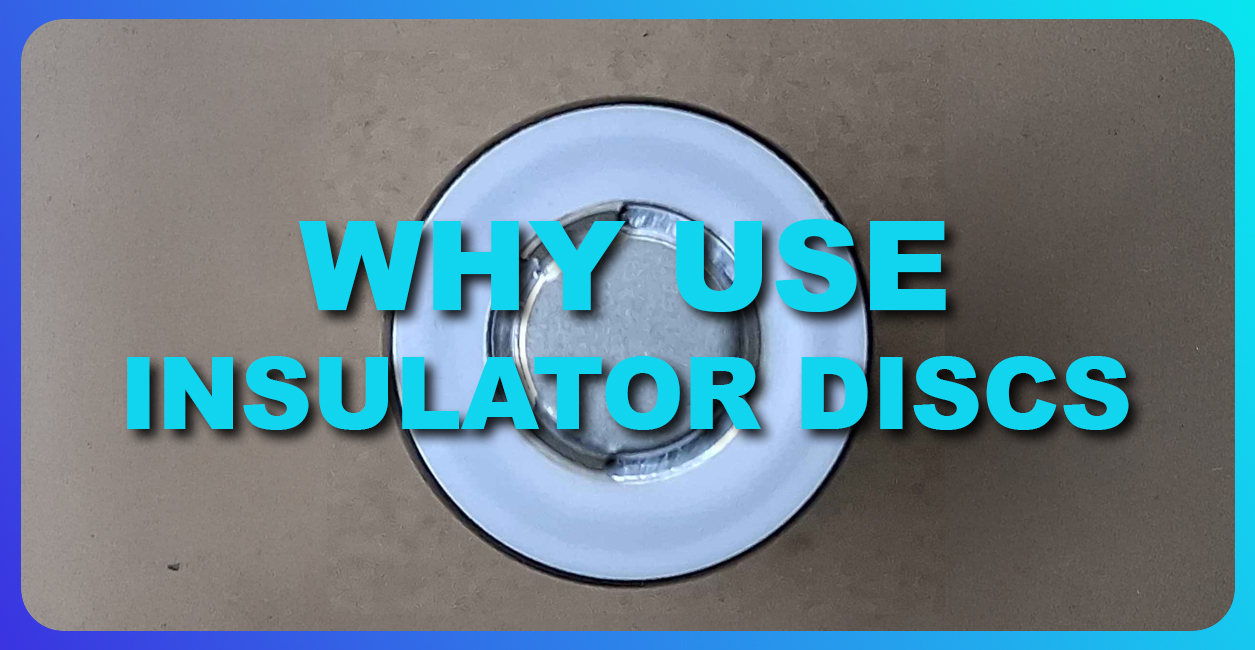
The only thing separating those things, if you do not use insulator discs, is just microns of cell wrap. Some people will point out that lithium-ion battery cells have insulator discs built in. But if you take apart just about any lithium-ion battery cell, you will see that the built-in white plastic insulator disc does not fully cover the negative, because it is slightly undersized for the cell.
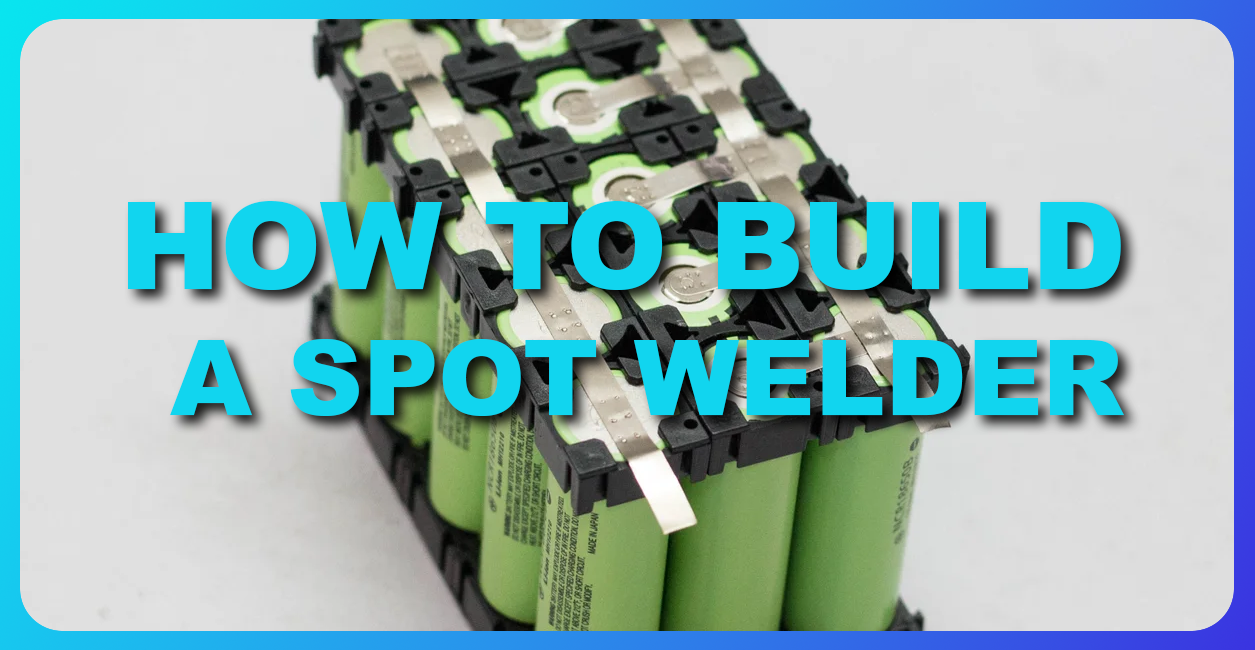
Well, a spot welder is just a massive switch. When I say massive, I mean electrically massive, meaning it can handle thousands of amps for a small period of time. It is a massive fast switch. A switch so electrically massive and so stunningly fast that it makes even the fastest highest-current relays look like child’s playthings.

By comparing real datasheets, we can see that a continuous heat dissipation of about 0.35 watts per cubic centimeter is a common, conservative limit that aligns well with how cells are actually rated. Using this value, we first calculate how many total watts of heat a cell of a given size can safely dissipate, then use the cell’s measured internal resistance to calculate the maximum continuous current that would produce that amount of heat. The result isn’t a perfect or guaranteed rating—but it’s far more grounded in physics and real-world data than guessing, marketing claims, or assuming ideal conditions.
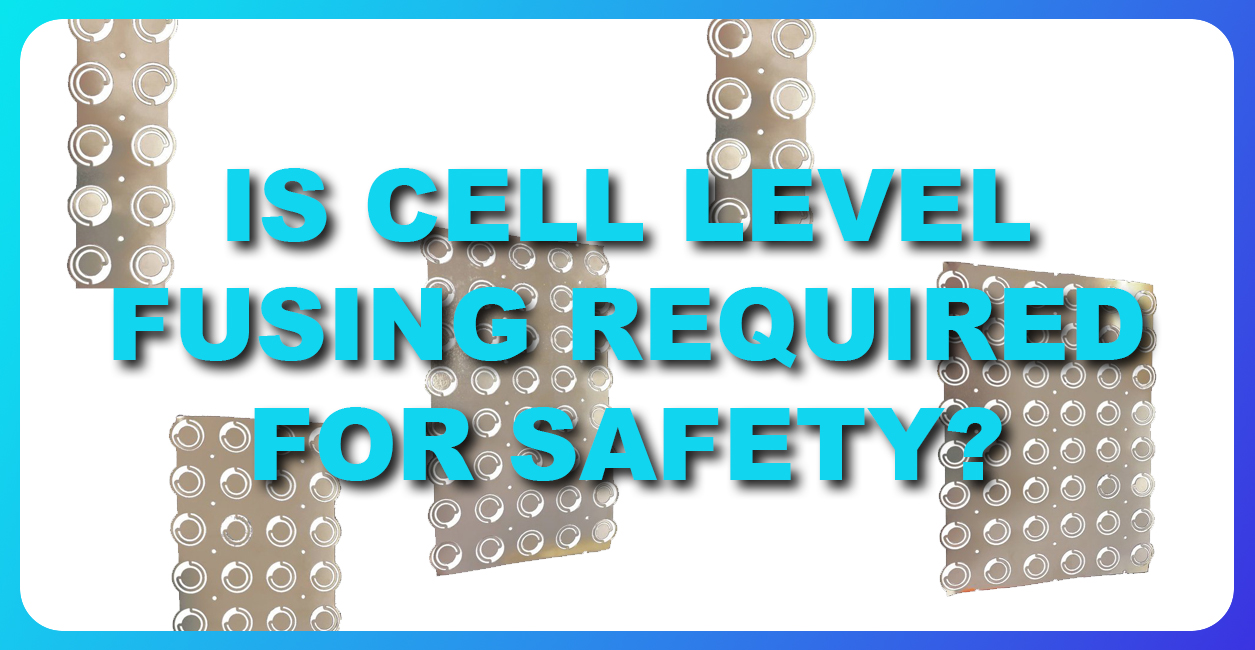
Let’s take some time to look at the protection mechanisms that are built into just about any quality lithium-ion cell. The phrase “just about any” is important, because there are some very poor cell manufacturers in the market. However, any manufacturer worth their weight in lithium implements all of the mechanisms discussed below.
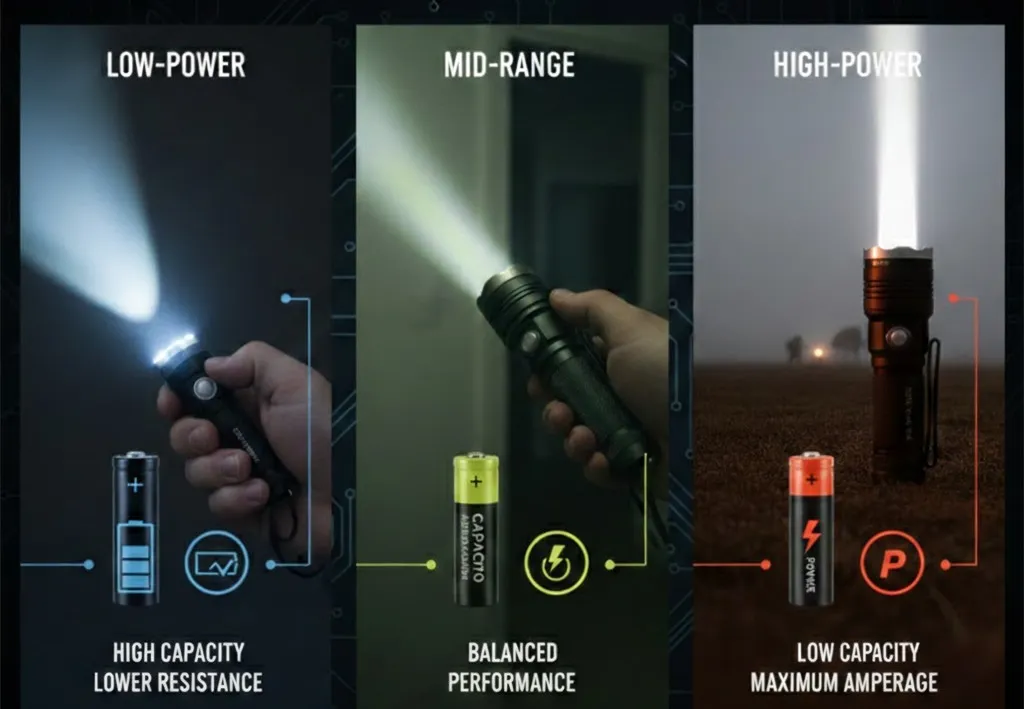
Is a higher mAh rating always better? Not necessarily. When it comes to high-power LEDs, internal resistance can be the difference between a bright beam and a battery that overheats. We do the math on 1,000 vs. 3,000-lumen lights to show you exactly when to prioritize capacity and when to hunt for low-resistance "power" cells.
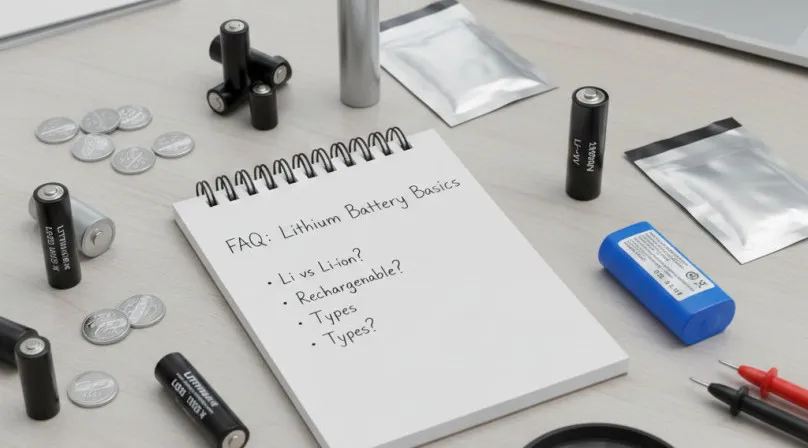
While 'lithium' and 'lithium-ion' are often used interchangeably, using the wrong charger or assuming they are the same can be a costly mistake. This guide breaks down the technical differences between primary lithium cells and rechargeable Li-ion families like LiPo and LiFePO4. Whether you're looking for voltage patterns or trying to tell an AGM battery apart from lithium, our FAQ has the answers you need to stay powered safely.
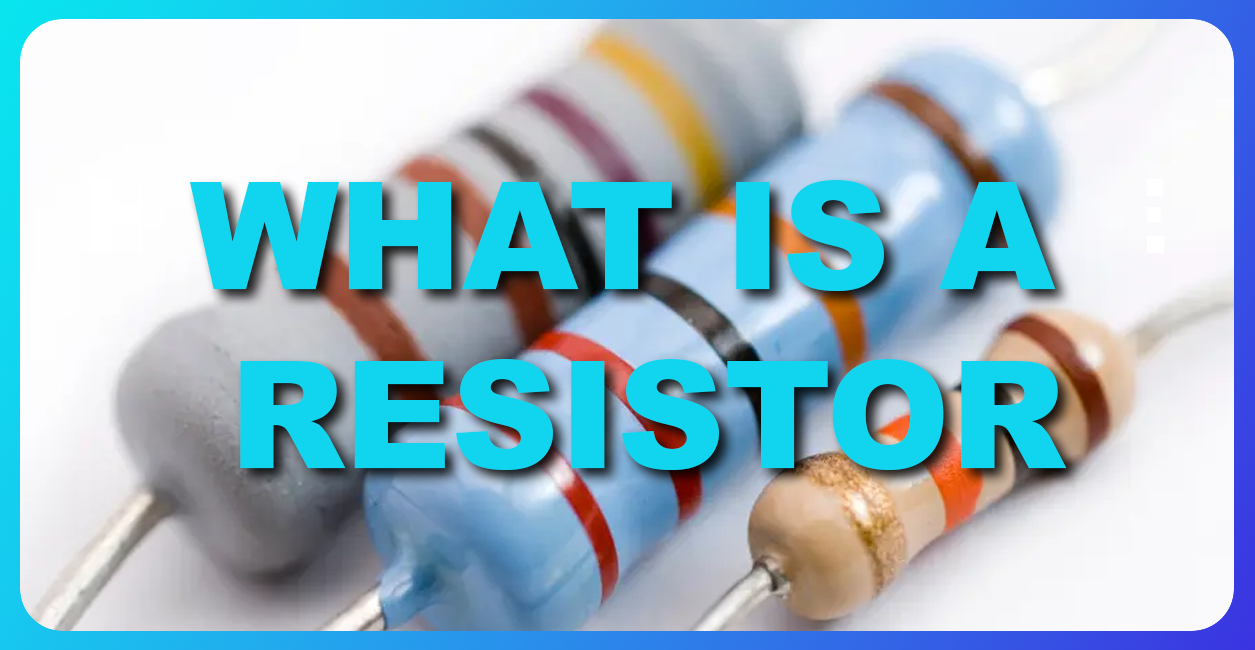
Think of a resistor like a narrow section of pipe—it makes it harder for the 'water' (current) to flow. But there is much more to this humble component than just simple obstruction. From protecting sensitive LEDs to setting precise voltages and dissipating heat, resistors are the unsung heroes of electronic design. Dive into our comprehensive guide to understand the physics of resistance, the impact of temperature, and the vital formulas every maker needs to know.
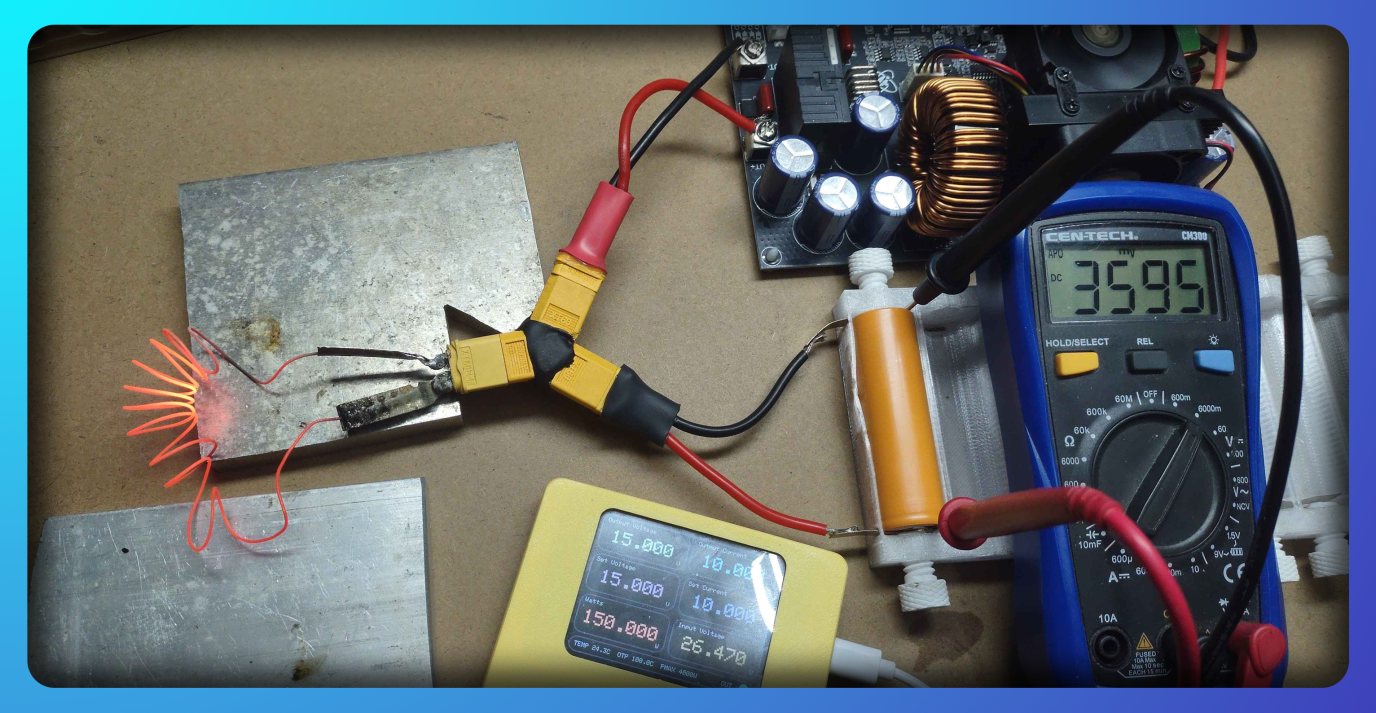
Tired of buying purpose-built battery testers? Discover a versatile "third way" to discharge and analyze your cells using a standard CC buck converter. This guide covers safe series-circuit setup, calculating 20mΩ-level internal resistance, and essential safety tips to prevent over-discharge.
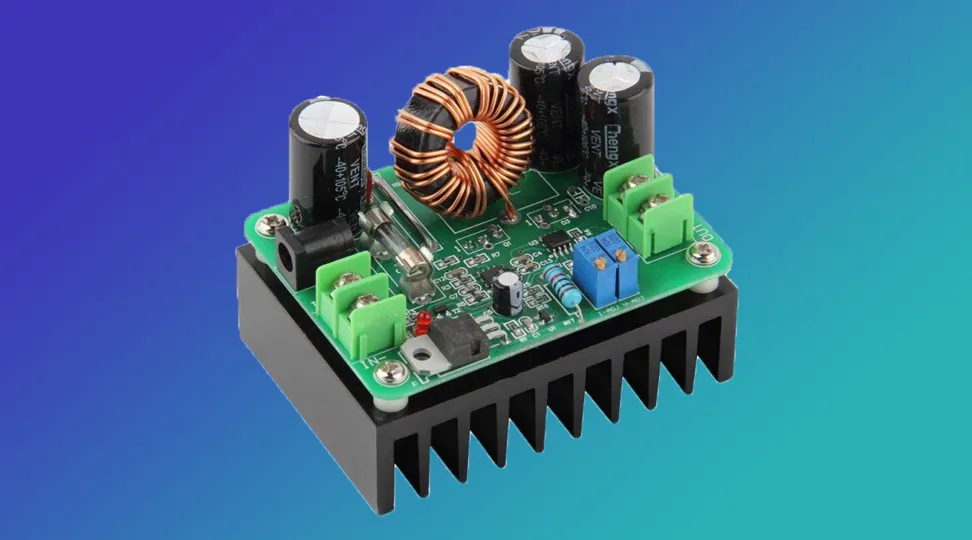
This compact 85x62mm boost converter claims 600 watts of power for under $20. Our bench tests reveal it is a great value for stepping up 12V or 24V, provided you add active cooling. However, users should be aware of its weak stock fuse and inability to regulate current down to zero amps.
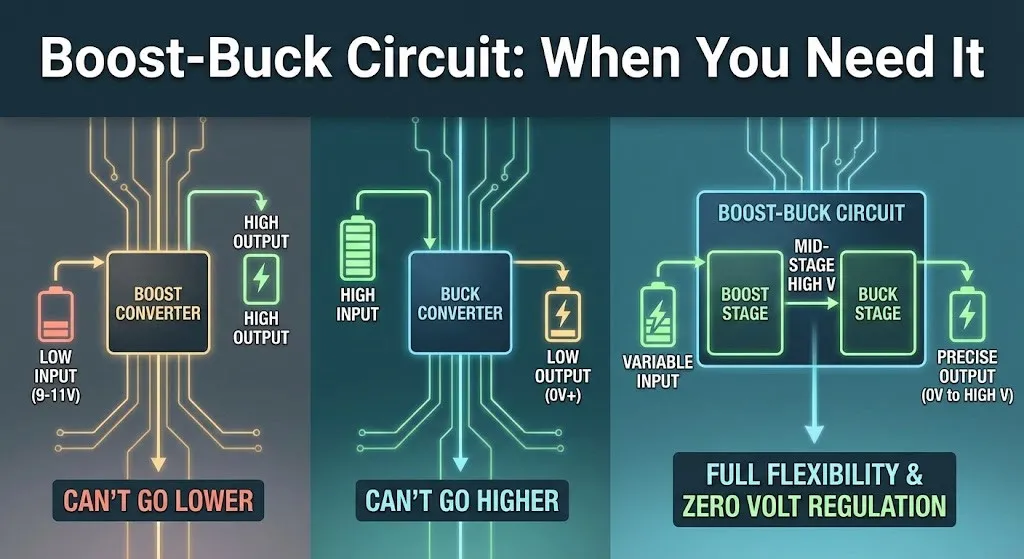
While boost and buck converters are essential tools for voltage regulation, they have limitations—specifically an internal voltage drop of around 1.5V. This article explores why a standard converter fails when charging a 3S Lithium-Ion battery from a 12V source and how a "Boost-Buck" circuit solves this by boosting for headroom before regulating down to zero volts for safe, efficient charging.
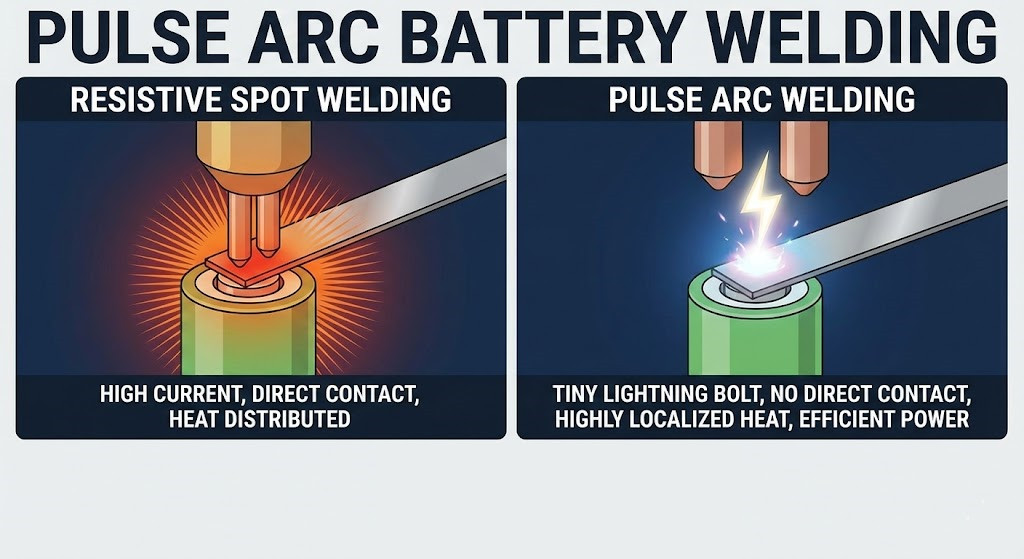
Pulse arc welding is like firing a "tiny lightning bolt" at your battery cells. While it offers incredible efficiency and power for its size compared to traditional resistive welders, the learning curve is steep. In this article, we analyze if this new technology is actually necessary for DIY battery builders or if you are better off sticking to the basics.
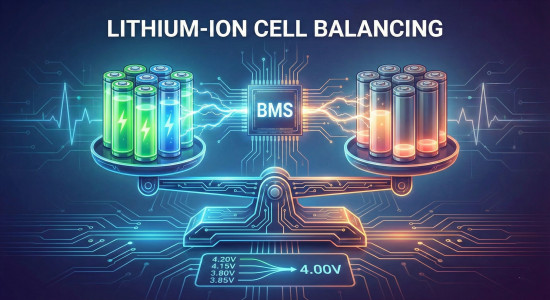
Struggling with an unbalanced battery? Discover how to manually force a cheap, non-configurable BMS to balance lithium-ion cells by creating the specific voltage conditions needed for activation.
Monthly-ish. New tools, new cells in the database, guides worth reading.